Category: Uncategorized
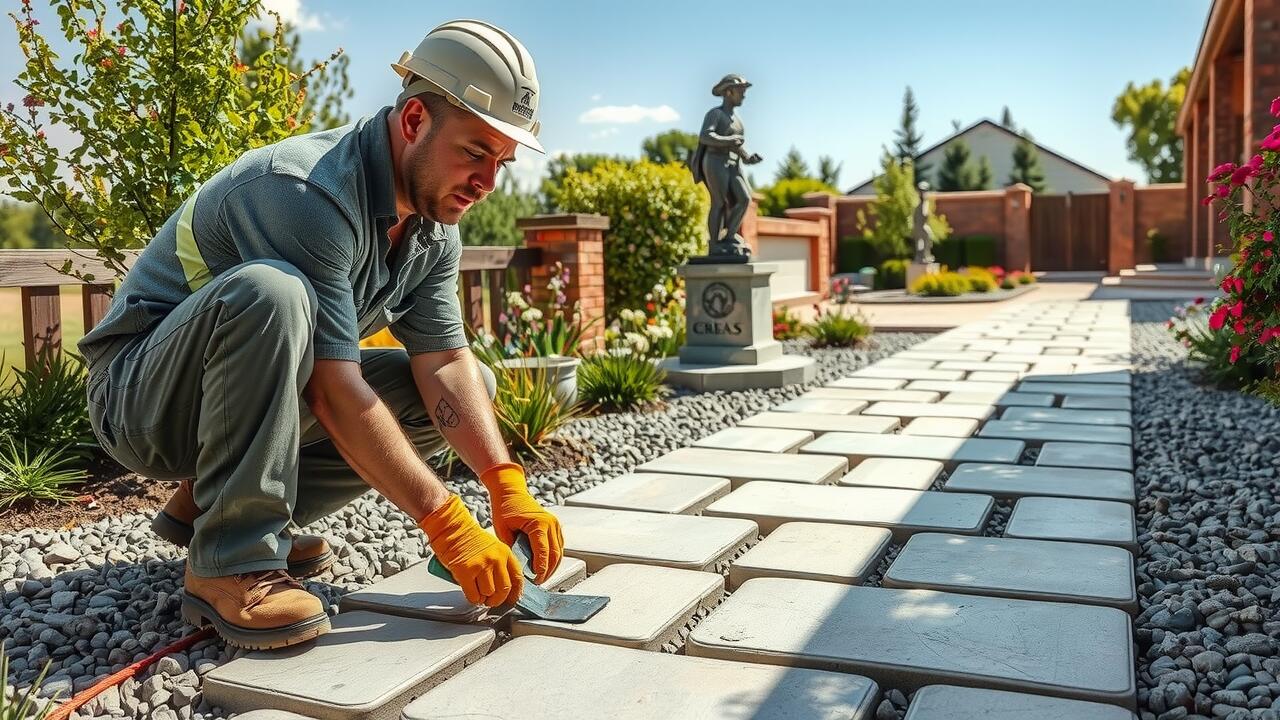
Excavate the Ground
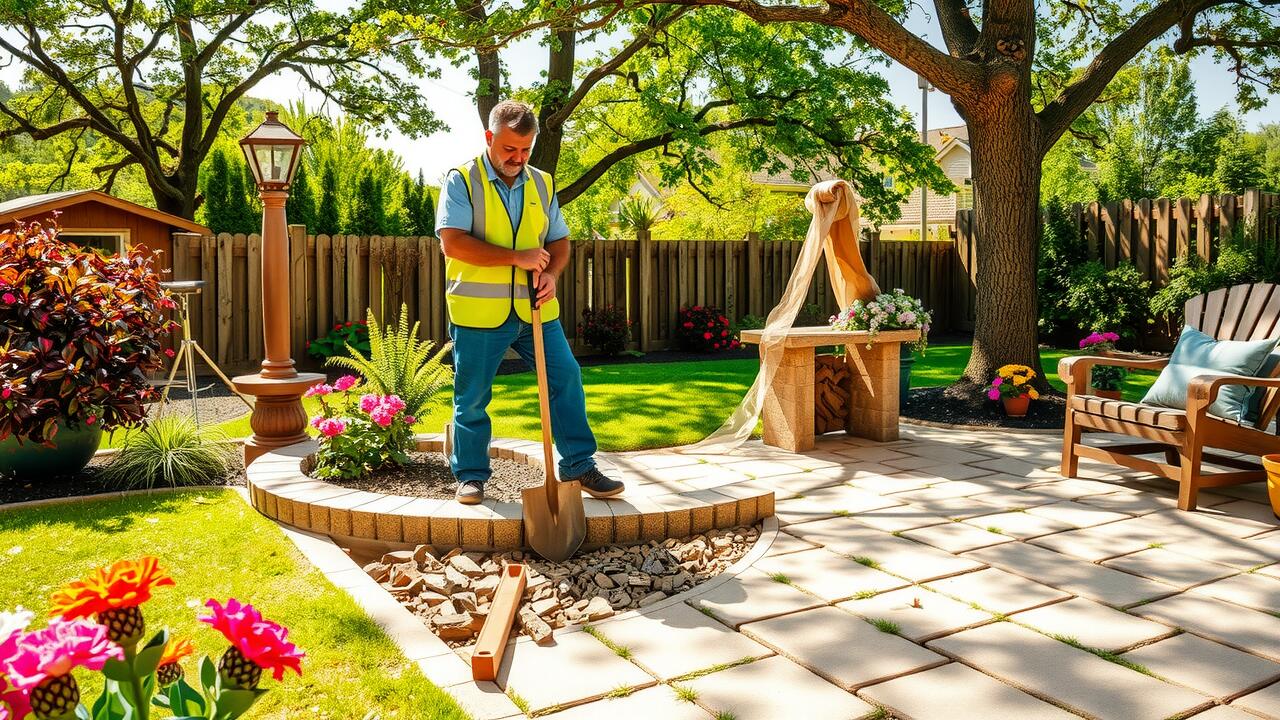
Excavating the ground for a walkway requires careful planning and precise execution. First, mark the area where the walkway will be placed, ensuring to account for the desired width and length. Use stakes or spray paint to outline the path clearly. Once marked, begin removing the top layer of soil using a shovel or a mechanical excavator, depending on the size of the area. Aim for a depth of about four to six inches to allow sufficient space for the base layer and the walkway materials.
During the excavation process, keep in mind the overall layout and slope to facilitate proper drainage. Ensuring that the ground slopes away from buildings or structures will help prevent water accumulation along the walkway. As you dig, remove any rocks, roots, or debris that could interfere with the stability of the installation. Uneven soil or obstacles can lead to problems during the walkway installation, so taking the time to prepare a clean, level surface will pay off in the long run.
Techniques for Removing Soil
When preparing for walkway installation, the first step involves removing the existing soil. You can use a shovel for small areas or manual work. For larger projects, a powered excavator or a skid-steer loader improves efficiency. Breaking up the soil with a pick or a hoe can make it easier to remove. Pay attention to the surrounding area to avoid disturbing nearby plants or structures.
After the initial removal, consider the depth needed for your walkway installation. This will depend on the type of materials selected. A consistent layer will help prevent uneven surfaces. Using tools like a soil tamper also ensures that the base is compacted. Proper preparation during this phase helps set the stage for a stable and durable walkway.
Creating a Base Layer
A solid base layer is essential for walkway installation. This layer provides stability and support for the materials used in the walkway. It helps to prevent shifting and settling over time. The choice between sand and gravel often depends on the specific features of the area. Gravel typically offers excellent drainage and is less prone to compaction compared to sand.
When creating the base layer, start by spreading the chosen material evenly across the excavated area. Aim for a depth of about four to six inches, ensuring a consistent level throughout. After spreading the material, use a tamper or a plate compactor to firmly pack it down. Proper compaction is vital for preventing future issues and ensuring longevity.
Choosing Between Sand and Gravel
When preparing for walkway installation, selecting the appropriate base material is crucial. Sand and gravel each have unique properties that can affect the stability and durability of the walkway. Sand is generally easier to work with, providing a smooth surface that can be easily leveled. However, it may compact heavily over time, which could lead to shifting or settling. It is important to assess the specific needs of the walkway, as well as the soil composition of the area, when considering sand as a base layer.
Gravel, on the other hand, offers excellent drainage and stability. With larger particles, gravel allows for better water flow and reduces the likelihood of erosion. Its coarser texture helps to prevent shifting, making it a suitable option for heavier foot traffic areas. When deciding between sand and gravel for your walkway installation, weigh the benefits of each material against the intended use and local climate conditions. Factors such as drainage, soil type, and load-bearing requirements should guide your choice to ensure a long-lasting and functional pathway.
Leveling the Surface
Leveling the surface is a crucial step in the walkway installation process. A properly leveled surface ensures stability and prevents water from pooling on the walkway. Begin by using a long straightedge or board to check the evenness of the soil base. Fill low spots with additional material and compact it to achieve a uniform surface height.
Once the initial leveling is complete, check the slope to ensure proper drainage. A slight slope away from any adjacent structures will help direct water runoff. Use a level tool to confirm that the surface is graded correctly. This attention to detail during the leveling phase will contribute significantly to the durability and functionality of the finished walkway.
Ensuring Proper Drainage
Proper drainage is crucial during walkway installation to prevent water accumulation that can damage the pathway over time. When excavating the ground, it’s essential to create a slight slope away from any adjacent structures. This encourages water runoff and minimizes the risk of pooling. Adding perforated drainage pipes or gravel trenches can further assist in redirecting excess water away from the surface area, ensuring longevity.
After laying the base layer, it’s important to consider how the surface will handle rain and snow. Using materials that promote drainage, such as permeable pavers or gravel, can significantly enhance water flow under and around the walkway. Regular maintenance, such as clearing debris from the surface and ensuring drainage channels remain unobstructed, will help preserve the integrity of the walkway installation over time.
FAQS
What is the first step in preparing the ground for a walkway?
The first step is to excavate the ground where the walkway will be installed. This involves removing any sod, grass, or debris to create a clear workspace.
What are some effective techniques for removing soil during excavation?
Effective techniques for removing soil include using a shovel for smaller areas, a pickaxe for harder ground, or renting a mini-excavator for larger projects to make the process easier and more efficient.
What materials can I use to create a base layer for my walkway?
You can use either sand or gravel to create a base layer. Both materials provide good drainage and stabilization, but your choice may depend on personal preference or specific project requirements.
How do I ensure that the surface of the walkway is level?
To ensure a level surface, use a long, straight board or level to check for evenness across the walkway area. Make adjustments by adding or removing soil as necessary to achieve a flat surface.
Why is proper drainage important when preparing ground for a walkway?
Proper drainage is essential to prevent water pooling on the walkway, which can lead to erosion, cracking, and other damage over time. Ensuring the ground is graded away from structures and the walkway itself will help manage water runoff effectively.
Related Links
Paver Driveways
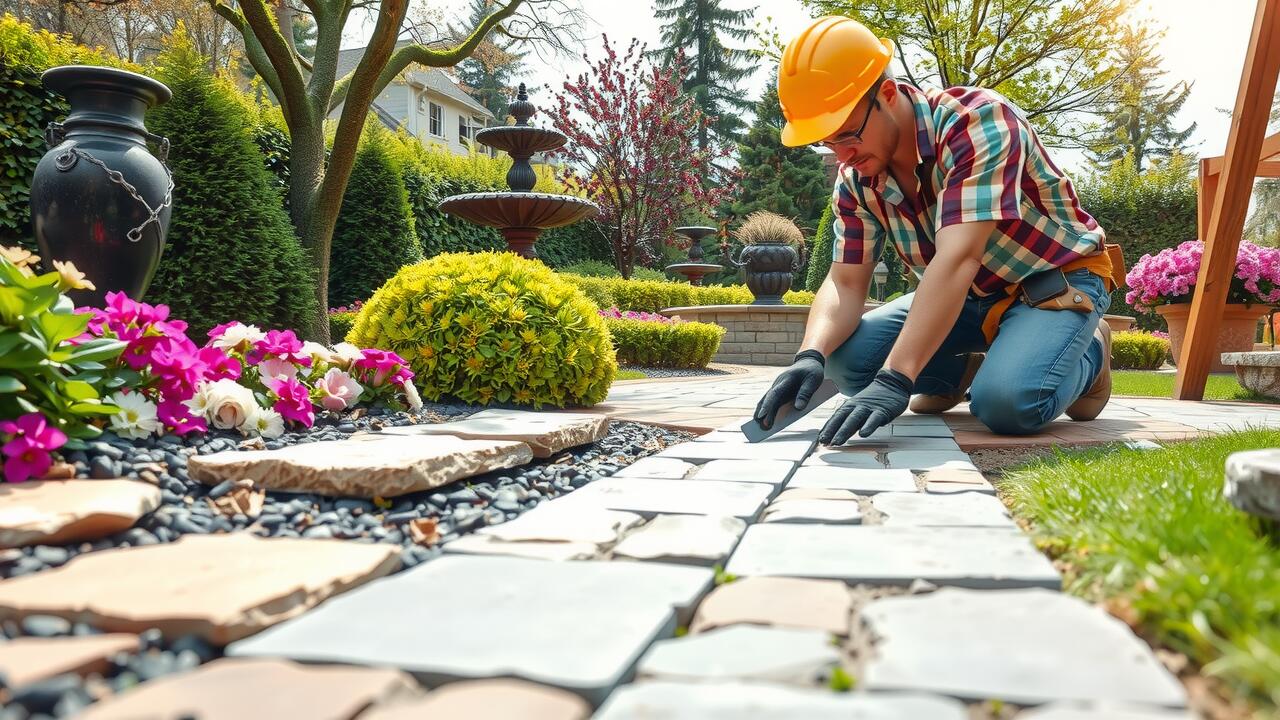
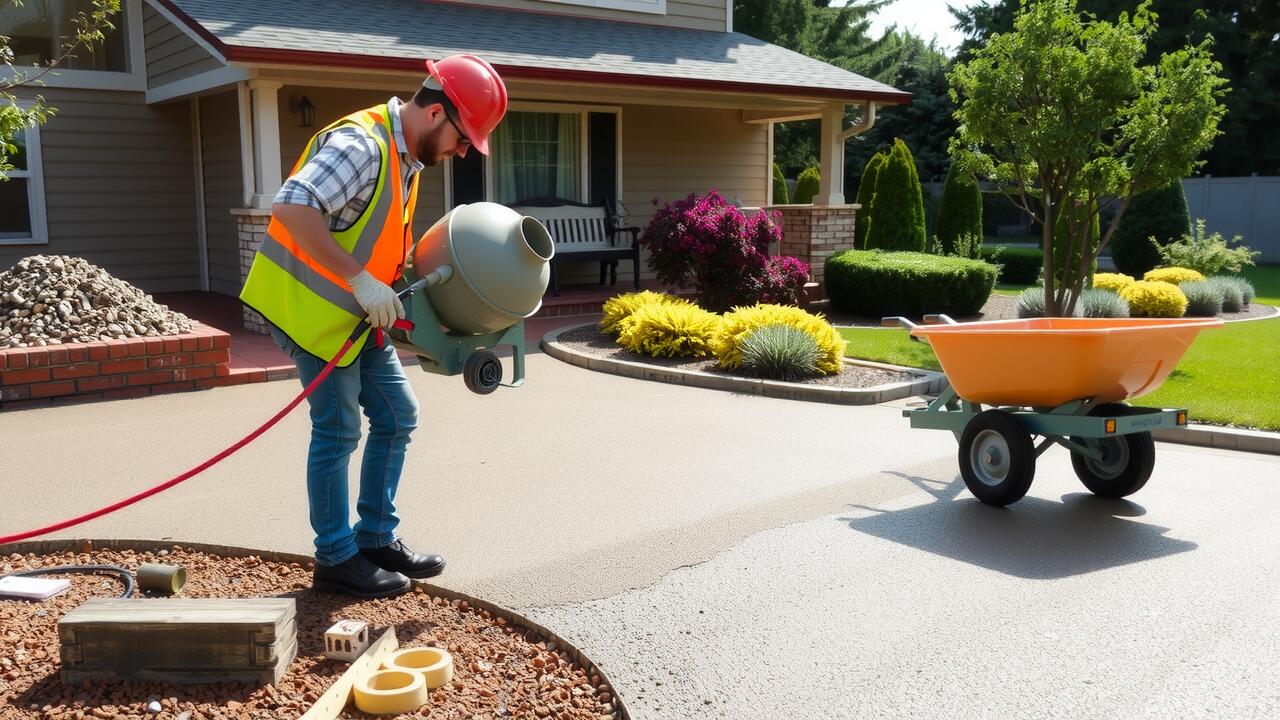
Paver driveways are known for their aesthetic appeal and versatility. They come in various shapes, sizes, and colors, allowing homeowners to create unique designs that complement their property. This type of driveway can enhance the overall look of a home, providing both functionality and curb appeal. The installation process typically involves preparing the base, placing the pavers, and filling in the joints with sand. Many people appreciate that paver driveways can be laid out in patterns that suit their personal taste while also being manageable for DIY projects.
In terms of installation ease, paver driveways offer several advantages. The process does not usually require specialized equipment, making it accessible for individuals with moderate DIY skills. If a paver becomes damaged, it is often easy to replace without disrupting the entire driveway. Driveway installation with pavers also allows for effective drainage, reducing concerns over flooding and standing water. This versatility makes paver driveways a popular choice for those looking to enhance their outdoor spaces.
Aesthetic Appeal and Installation Ease
Paver driveways offer a unique blend of aesthetic appeal and practicality. Available in various shapes, colors, and materials, they can enhance the charm of any home. The versatility of pavers allows for creative patterns and designs, turning a typical driveway into a stylish focal point. Even after installation, pavers maintain their visual appeal since they are resistant to fading and weather damage.
When it comes to driveway installation, pavers are relatively straightforward. Homeowners can tackle this project with the right tools and guidance, making it accessible for DIY enthusiasts. The interlocking nature of pavers simplifies the process, as they fit together without the need for extensive preparation or concrete setting time. This ease of installation can significantly reduce labor costs while providing a durable surface that stands up to everyday wear.
Permeable Driveways
Permeable driveways are gaining popularity due to their ability to manage stormwater effectively. This type of driveway allows rainwater to pass through, promoting natural filtration and reducing runoff. The installation of permeable materials creates a practical and eco-friendly solution for homeowners seeking to minimize their environmental footprint. Choosing permeable options can lead to a more sustainable landscape and help prevent drainage problems common with traditional pavement.
When considering driveway installation, evaluating the local climate and the soil type can be crucial in determining the best permeable materials. These driveways may require specific aggregates or pavers that encourage water infiltration. While some may perceive permeable driveways as more complex, many installers find that they can be straightforward with the right preparation. Proper grading and base design enhance both the functionality and longevity of the driveway.
Environmental Advantages
Permeable driveways offer significant environmental advantages that make them an appealing choice for homeowners. These systems allow water to infiltrate through the surface, reducing runoff and helping to recharge groundwater supplies. This natural absorption can mitigate issues such as flooding and erosion, which are often exacerbated by traditional impervious driveway materials. Driveway installation using permeable pavers or porous asphalt can contribute to more sustainable urban landscapes.
Moreover, permeable driveways can significantly improve water quality. As rainwater percolates through the surface, it passes through layers of gravel or soil that filter out pollutants before they reach the groundwater. This can lead to cleaner water flowing into local streams and rivers. Choosing permeable materials for driveway installation not only supports environmental health but also aligns with growing concerns over stormwater management and urban development.
Choosing the Right Driveway for Your Space
Selecting the right driveway for your space involves several key considerations. Begin by assessing your budget, as various materials have different costs associated with their installation and maintenance. The size and layout of your property also play a significant role in determining which driveway type will work best. A well-planned driveway installation can enhance your home’s curb appeal while providing functionality.
Additionally, consider the local climate and drainage requirements. Some driveways, such as permeable options, offer solutions for areas with heavy rainfall by managing water runoff effectively. An appropriate choice based on these factors not only simplifies driveway installation but can also contribute to the longevity and durability of the surface. Each type of driveway offers unique benefits, making it essential to align your choice with both practical needs and aesthetic preferences.
Factors to Consider
When considering driveway installation, various factors play a crucial role in determining the best option for your property. Budget is often a primary concern, as different materials come with distinct price points. Additionally, the climate in your region can influence your choice; some surfaces perform better in cold weather, while others are more suited for warmer environments. Homeowners should also think about the intended use of the driveway. Will it accommodate heavy vehicles or simply serve as a path for light foot traffic?
Another important consideration is maintenance. Some driveways require more regular upkeep than others, which can affect long-term costs and labor. Aesthetic preferences should also weigh in. The design of the driveway should complement the overall architecture of the home and the landscape. Lastly, consider the environmental impact of the material chosen. Permeable options can help manage stormwater runoff while traditional materials may have different sustainability implications. Each of these factors contributes to the overall effectiveness and satisfaction with the driveway installation.
FAQS
What is the easiest type of driveway to install?
Paver driveways are often considered one of the easiest types to install due to their modular nature, allowing for straightforward placement and adjustment.
Are permeable driveways difficult to install?
Permeable driveways can be more complex to install than paver driveways, as they require proper drainage systems and specific materials to ensure effectiveness.
What factors should I consider when choosing a driveway?
Key factors to consider include your budget, the climate in your area, the desired aesthetic appeal, maintenance requirements, and environmental impact.
Can I install a driveway myself, or do I need a professional?
While some homeowners may choose to install a paver driveway themselves, hiring a professional is recommended for best results, especially for larger or more complex projects.
How long does it typically take to install a paver driveway?
The installation of a paver driveway can take anywhere from a few days to a week, depending on the size of the area and the specific installation conditions.
Related Links
Weather Impact on Stamped Concrete
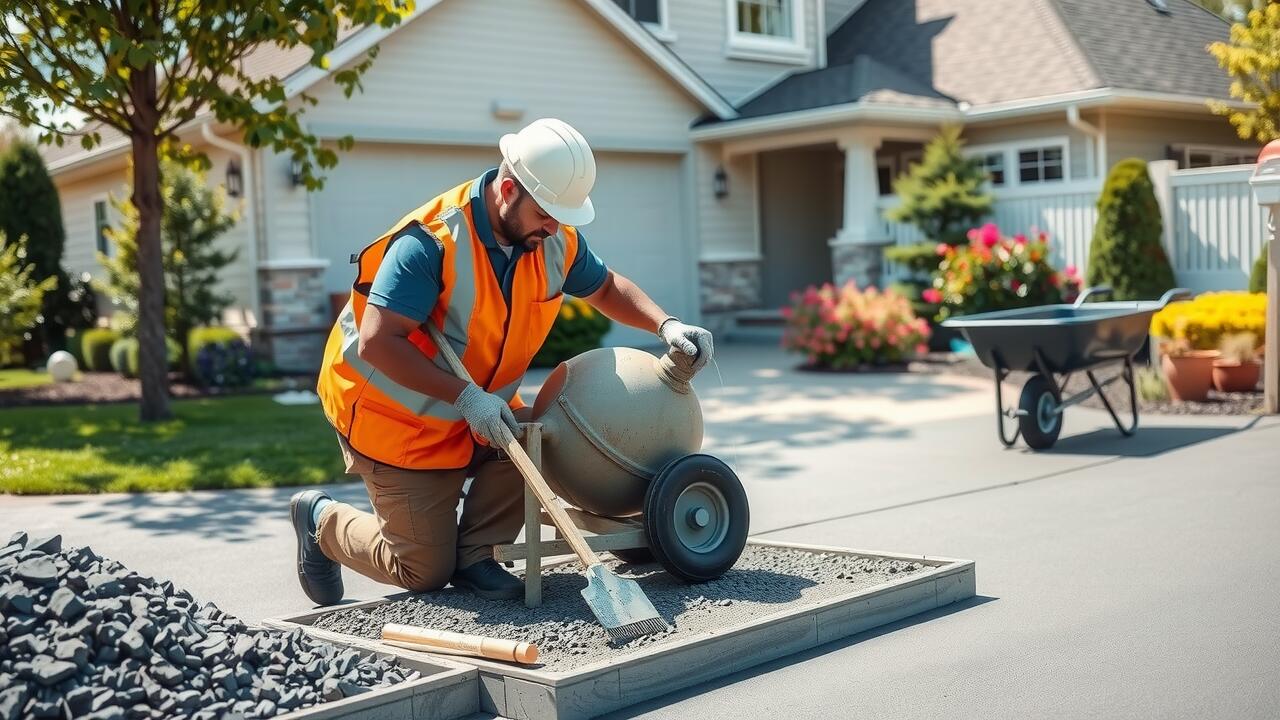
Weather plays a significant role in the longevity of stamped concrete. Extreme temperatures, both hot and cold, can cause the material to expand and contract, leading to surface cracks or other forms of damage. Rain and moisture can also infiltrate the surface, creating additional stress as it freezes and thaws. Proper drainage and protective sealants can mitigate some of these effects, but it’s essential to consider the local climate when planning a stamped concrete installation.
In regions with harsh winters, the use of de-icing chemicals can accelerate wear and tear on stamped concrete. On the other hand, intense sunlight and heat can lead to fading and discoloration over time. With thoughtful maintenance strategies, including regular sealing and appropriate care during extreme weather conditions, homeowners can extend the life of their stamped concrete surfaces. Understanding these weather impacts is crucial for anyone considering a stamped concrete installation for patios, walkways, or driveways.
Effects of Climate on Durability
The durability of stamped concrete is significantly influenced by the local climate and weather conditions. In areas with extreme temperatures, both hot and cold, the material can experience expansion and contraction. This phenomenon can lead to cracking if the installation lacks proper sealing or if inadequate materials were used during the stamped concrete installation process. Rain and humidity can also affect the surface. Excess moisture can cause efflorescence, a white powdery substance that forms as minerals within the concrete react with water.
For regions that experience heavy snowfall, the use of road salts can be detrimental to stamped concrete. These salts can penetrate the surface, resulting in gradual deterioration. Proper care and maintenance following the stamped concrete installation can extend its lifespan, allowing it to withstand the varying effects of climate. Ensuring that the surface is sealed regularly and protected from harsh elements can help mitigate these risks and preserve the aesthetic appeal of the installation over time.
Cost vs. Longevity
When evaluating stamped concrete installation, it’s essential to consider the balance between cost and longevity. The initial investment for stamped concrete can be higher than traditional concrete due to its customization options. However, the aesthetic appeal and durability can make it a worthwhile choice for homeowners looking to enhance their outdoor spaces. With proper maintenance, stamped concrete can last for decades, effectively offering value over time.
Longevity is a critical factor in assessing the overall cost-effectiveness of stamped concrete installation. Unlike other materials that may require frequent replacement, stamped concrete tends to withstand wear and tear better, particularly when sealed appropriately. While upfront costs are significant, the long-term savings associated with reduced repair and replacement needs often justify the expense. This approach allows homeowners to enjoy their investment without the constant worry of upkeep.
Analyzing Long-Term Investment
Investing in stamped concrete installation can be a wise choice for homeowners looking to enhance their property’s aesthetic appeal and durability. This material often mimics more expensive options, such as stone or brick, while providing a cost-effective solution. When considering long-term value, it is essential to factor in initial installation costs, maintenance requirements, and the potential for increased property value over time. Stamped concrete’s resilience makes it suitable for various applications, from patios to driveways, which adds versatility to its appeal.
Long-term investment in stamped concrete installation often pays off due to its durability and low maintenance needs. Unlike other materials prone to cracking or fading, stamped concrete can withstand the elements with proper care. Homeowners should consider factors such as climate, usage, and aesthetic preferences when making their decision. The longevity of stamped concrete typically surpasses that of traditional surfaces, making it a practical addition that balances affordability and visual charm over the years.
Repair Options for Stamped Concrete
Repairing stamped concrete requires careful assessment to determine the best approach. Small cracks and chips can often be addressed with a concrete patching compound that matches the color and texture of the original finish. In cases of more extensive damage, such as large cracks or settling, it may be necessary to consider resurfacing the concrete. This involves applying a new layer of concrete that can restore the surface and improve the appearance of the stamped pattern.
For those looking to maintain the integrity of their stamped concrete installation, regular sealing is essential. Sealing helps protect against water penetration and staining, which can accelerate wear over time. If significant repairs are needed, enlisting the help of professionals can ensure that the work is done correctly. Professional services can provide not only expertise but also access to high-quality materials that can enhance the longevity of the stamped concrete.
When to Consider Professional Help
When it comes to addressing issues with stamped concrete, knowing when to seek professional help can be key to maintaining its longevity and appearance. Homeowners may notice cracks, stains, or fading that could require a deeper assessment. If DIY repair attempts seem overwhelming or the damage is extensive, consulting a professional can ensure the job is done correctly. They have the tools and expertise to provide effective solutions, especially for complex problems that arise from improper installation or wear over time.
Additionally, professional assistance often becomes necessary during the initial installation phase. Stamped Concrete Installation demands precision and knowledge to achieve the desired aesthetic and structural integrity. An experienced contractor can help navigate through the selection of patterns, colors, and sealants, while also addressing any localized environmental factors. Investing in professional installation not only enhances the final product but also contributes to the material’s durability, making future repairs less likely.
FAQS
How long can I expect my stamped concrete to last?
With proper installation and maintenance, stamped concrete can last anywhere from 10 to 30 years. Factors such as climate, usage, and care can significantly influence its longevity.
Does weather affect the durability of stamped concrete?
Yes, weather plays a crucial role in the longevity of stamped concrete. Extreme temperatures, heavy rainfall, and freeze-thaw cycles can impact its structural integrity if not properly managed.
What can I do to extend the life of my stamped concrete?
Regular maintenance, including sealing, cleaning, and addressing any cracks or damage promptly, can help extend the lifespan of stamped concrete. Additionally, avoiding heavy loads and using protective mats can also be beneficial.
Is stamped concrete worth the investment?
Yes, stamped concrete can be a worthwhile investment due to its durability and aesthetic appeal. While the initial cost may be higher than traditional concrete, its long lifespan and low maintenance needs often make it a cost-effective choice in the long run.
When should I consider hiring a professional for stamped concrete repairs?
If you notice significant cracks, uneven surfaces, or other major issues that you cannot address on your own, it is advisable to consult a professional. They can assess the damage and recommend appropriate repair options to ensure the longevity of your stamped concrete.
Related Links
Integral Color vs. Surface Color
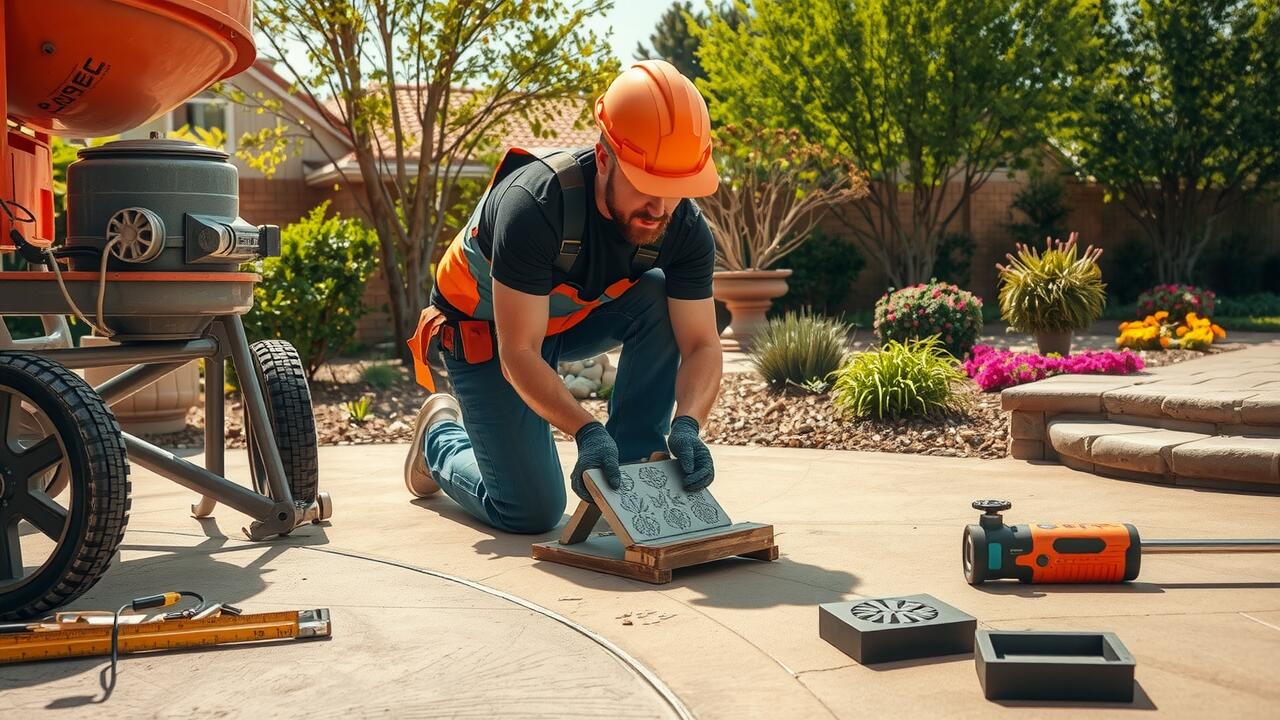
When considering stamped concrete installation, the choice between integral color and surface color plays a significant role in the final appearance. Integral color involves adding pigment directly to the concrete mix before pouring, resulting in a uniform color that penetrates the entire slab. This method offers vibrancy and depth, as the color becomes part of the concrete itself, making it less prone to fading or wear over time.
In contrast, surface color is applied after the concrete has been poured and set. This technique typically involves the use of color hardeners or stains that are either broadcast onto the surface or applied with a roller or sprayer. While surface coloring can achieve a wide range of effects and customization, it may be more susceptible to chipping or wearing away, particularly in high-traffic areas. By understanding these differences, clients can make informed decisions during their stamped concrete installation.
Choosing the Right Coloring Technique
When considering the coloring of your stamped concrete installation, it is essential to explore various techniques to achieve the desired aesthetic. Integral color involves mixing pigments directly into the concrete before pouring, resulting in a uniform hue throughout the surface. This method allows the color to remain consistent even as the surface wears down over time. On the other hand, surface color relies on applying stain or sealer on top of the cured concrete. This technique provides a unique appearance and can enhance the texture but requires careful maintenance to ensure longevity.
Choosing the right coloring technique also depends on the climate and the intended use of the concrete surface. For outdoor projects exposed to harsh weather, integral color may be more beneficial due to its durability. In contrast, surface coloring can offer greater design versatility, allowing for intricate patterns and effects. Homeowners should consider the desired visual outcomes alongside performance factors. Engaging with a professional during stamped concrete installation can provide valuable insights into which method best suits the individual project’s needs.
Sealing Stamped Concrete
Sealing stamped concrete plays a crucial role in the longevity and appearance of the surface. During stamped concrete installation, applying a sealant helps protect the concrete from stains, moisture, and UV damage. It enhances the colors and textures achieved during the stamping process, ensuring the final product showcases its full aesthetic potential. A well-applied seal can also create a barrier that reduces the likelihood of surface cracking or spalling, which can occur over time without proper protection.
The sealing process typically involves choosing the right type of sealant, which can either be film-forming or penetrating. Film-forming sealants provide a glossy finish and are ideal for decorative surfaces, while penetrating sealants offer a more natural look and protect the concrete from within. Proper application requires thorough cleaning and drying of the surface before the sealant is applied. Regular maintenance of the sealant will ensure that the stamped concrete continues to look vibrant and withstand the elements, making it essential for homeowners to incorporate sealing into their care routine.
Importance of Proper Sealing
Proper sealing is essential in ensuring the longevity and enhanced appearance of stamped concrete installation. A good seal protects the surface from water damage, stains, and UV rays, which can lead to fading over time. Without adequate sealing, the decorative finish can deteriorate more quickly, resulting in costly repairs or replacements.
Sealing also helps to prevent the growth of mold and mildew, which can thrive in damp conditions. A well-sealed surface allows for easier cleaning, maintaining the vibrant colors and patterns that make stamped concrete an attractive choice for driveways, patios, and walkways. Taking the time to apply a high-quality sealant after installation ensures that your stamped concrete remains durable and visually appealing for years to come.
Maintenance Tips for Longevity
Proper maintenance is crucial for ensuring the longevity of stamped concrete after installation. Regular cleaning helps prevent the buildup of dirt and debris, which can dull the appearance over time. A gentle pressure wash or a mild detergent mixed with water can be effective. Avoid using harsh chemicals or heavy-duty scrubbers, as these can damage the surface and disrupt the color integrity.
Additionally, applying a sealant every couple of years reinforces the protective layer over the stamped concrete. This helps shield it from stains and weather-related wear. Inspecting the surface for cracks or wear is also important. Addressing any issues promptly can prevent more extensive damage down the line, ensuring that your stamped concrete installation remains vibrant and structurally sound for many years.
Routine Care and Cleaning
Routine care and cleaning are essential for preserving the beauty of stamped concrete. Regular cleaning helps to remove dirt and debris that can accumulate on the surface. Use a broom or a leaf blower to clear away leaves and larger particles. For more thorough cleaning, a pressure washer with a mild detergent can effectively eliminate stubborn stains and restore the surface’s appearance. This regular upkeep is crucial, especially after stamped concrete installation, as it helps maintain the intended aesthetic and finish.
Avoid using harsh chemicals or acidic cleaners, as these can damage the surface and compromise the seal. Instead, stick to pH-neutral products specifically designed for concrete. After cleaning, ensure the surface is completely dry before applying any sealant to maintain its integrity. Keeping up with these maintenance practices will prolong the life of your stamped concrete and keep it looking fresh for years to come.
FAQS
What is stamped concrete?
Stamped concrete is a decorative concrete technique that involves pouring concrete and then imprinting it with patterns and textures to resemble natural materials like stone, brick, or tile.
How is integral color different from surface color in stamped concrete?
Integral color is added to the concrete mix before pouring, providing a uniform color throughout the concrete. Surface color is applied after the concrete has cured, allowing for a variety of colors but may require more maintenance.
What steps are involved in sealing stamped concrete?
Sealing stamped concrete involves cleaning the surface, allowing it to dry completely, and then applying a sealant to protect the concrete from stains, moisture, and UV damage. This process is crucial for enhancing the color and longevity of the stamped design.
Why is proper sealing important for stamped concrete?
Proper sealing is important because it protects the surface from dirt, stains, and weathering, enhances the appearance of the color and texture, and helps prevent cracks and surface damage.
What are some maintenance tips for ensuring the longevity of stamped concrete?
To maintain stamped concrete, regularly sweep or hose off debris, clean with a mild detergent, avoid harsh chemicals, and reseal the surface every few years to protect it from wear and tear.
Related Links
Exploring Paver Patios
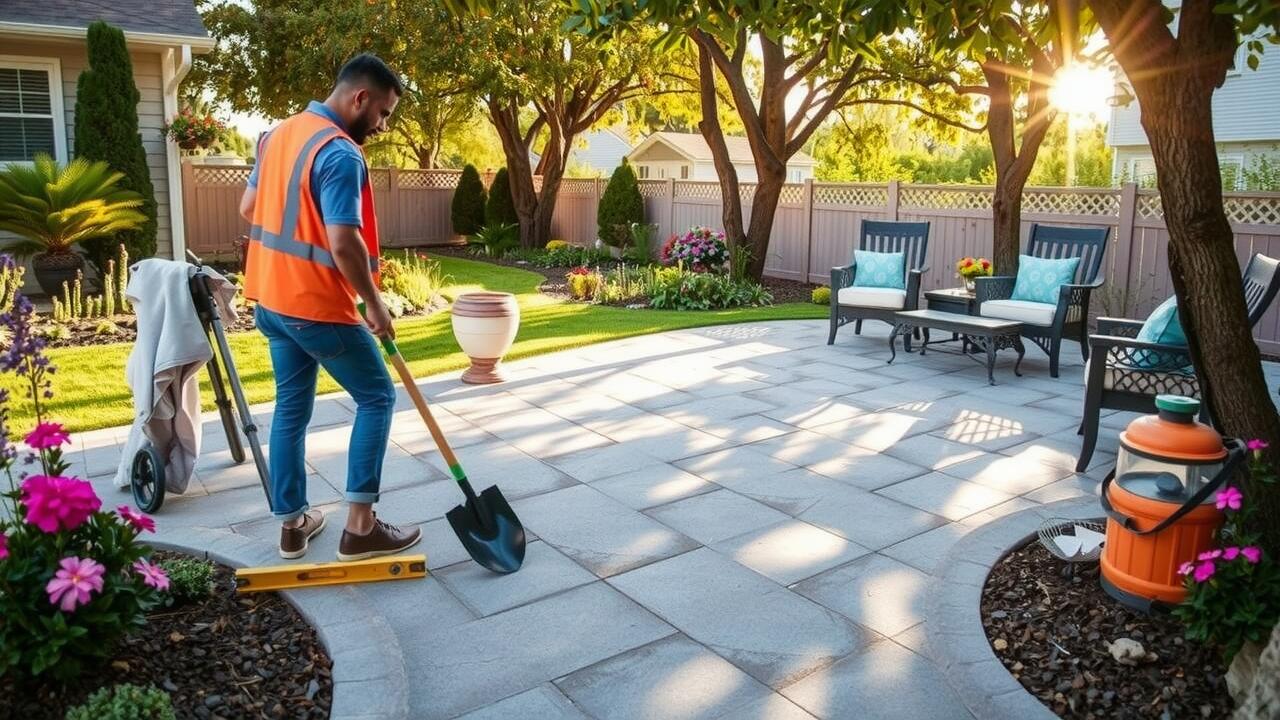
Paver patios offer an attractive and durable solution for homeowners looking to enhance their outdoor spaces. These patios consist of individual paving stones or bricks, which can be arranged in various patterns, allowing for creative designs. The versatility of paver materials provides a range of color and texture options. This flexibility helps homeowners match their patios to existing landscapes or home exteriors. Additionally, the interlocking nature of pavers contributes to their stability, making them less prone to cracks compared to poured concrete.
When considering patio installation, the initial cost and long-term value are important factors. While the upfront investment for paver materials may be higher than some alternatives, they often prove more cost-effective over time due to their longevity and low maintenance needs. A well-installed paver patio can withstand various weather conditions without significant wear, translating to fewer repairs and replacements in the future. This enduring quality can make paver patios a wise choice for those seeking an economical yet stylish outdoor solution.
Advantages of Interlocking Pavers
Interlocking pavers offer a versatile and appealing option for patio installation, as they come in a variety of colors and shapes. This allows homeowners to create unique patterns that enhance the outdoor aesthetic. The modular design of interlocking pavers ensures ease of installation, making it a project that can be tackled by DIY enthusiasts. Additionally, they provide stability once laid out properly, reducing the risk of shifting or settling over time.
Another significant advantage of interlocking pavers is their durability. Made from materials such as concrete or stone, they withstand varying weather conditions, making them suitable for different climates. Their resistance to cracking and fading ensures that the patio maintains its visual appeal with minimal effort. If necessary, individual pavers can be easily replaced without affecting the overall layout, making this an economical choice for long-term patio maintenance.
Choosing Wood for Your Patio
When selecting wood for your patio, several factors come into play. Cedar and redwood are popular choices due to their natural resistance to decay and insect damage. These woods provide aesthetic appeal with their rich colors and can withstand outdoor conditions well. However, they tend to be on the pricier side. Another option includes pressure-treated lumber, which is often more affordable and durable. This wood is treated to resist moisture and pests, making it a practical choice for patio installation.
Considering the budget, it’s essential to balance cost with quality. While cheaper lumber options like pine are available, they may not hold up as well in outdoor environments. Taking the time to research and compare options ensures that you choose wood that fits your budget without compromising on longevity. Proper patio installation techniques, such as ensuring proper drainage and sealing the wood, can also enhance durability and protect your investment over time.
Cost-Effective Lumber Options
When considering wood for your patio installation, choosing the right type of lumber can significantly impact costs. Pressure-treated pine is a popular choice due to its affordability and resistance to rot. It’s widely available and easy to work with, making it ideal for DIY projects. Other options like cedar and redwood offer natural resistance to insects and decay but come at a higher price point.
Reclaimed wood provides another cost-effective alternative for patio installation. Not only does it add character and charm, but it can also save money compared to buying new lumber. Sourcing local salvaged wood from old buildings or fences can yield beautiful materials while being environmentally friendly. Each of these options allows homeowners to create a durable and visually appealing patio without breaking the bank.
Patio Maintenance on a Budget
Maintaining a patio on a budget involves simple strategies that can significantly extend its lifespan. Regular cleaning is essential to prevent dirt and debris buildup. Tools like brooms, pressure washers, and mild detergents can be used to keep surfaces looking fresh. Sealing pavers or wood every few years can protect them from weather damage and stains, minimizing long-term repair costs.
In addition to cleaning, consider the seasonal maintenance tasks to prepare your patio for various weather conditions. Inspecting for cracks or wear after patio installation helps catch issues early. Clearing leaves and debris in the fall prevents them from trapping moisture and causing mold or rot. These practices reduce the need for expensive repairs, allowing you to enjoy your outdoor space without the hefty price tag.
Tips for Low-Cost Upkeep
Maintaining a patio on a budget requires a few strategic approaches. Regular cleaning prevents the buildup of dirt and grime, which can lead to more expensive repairs down the line. A simple rinse with a hose can do wonders and shouldn’t take much time. Using a broom or a leaf blower can also help keep debris from accumulating, ensuring your patio remains inviting and safe for use.
When it comes to repairs after patio installation, addressing small issues promptly can save you money in the long run. Inspect for cracks or loose stones and tackle these problems early. For wood patios, checking for splintering or rotting wood is crucial. A timely coat of sealant not only protects your investment but also extends the life of the materials without breaking the bank. Staying proactive in upkeep will minimize costly replacements or extensive maintenance in the future.
FAQS
What is the cheapest method for building a patio?
The cheapest method for building a patio often involves using gravel or crushed stone as the base material, which is more affordable than pavers or wood.
Are interlocking pavers a cost-effective option?
Yes, interlocking pavers can be a cost-effective option as they are durable and require minimal maintenance, which can save you money in the long run.
What types of wood are the most affordable for patio construction?
Pressure-treated lumber and cedar are typically considered cost-effective options for building a wooden patio due to their availability and resistance to rot.
How can I maintain my patio on a budget?
To maintain your patio on a budget, you can regularly clean it, seal surfaces when necessary, and repair any damage promptly to avoid costly fixes down the line.
What are some low-cost alternatives to traditional patio materials?
Low-cost alternatives to traditional patio materials include using recycled bricks, concrete slabs, or even creating a natural stone patio with locally sourced materials.
Related Links
Enhancing Your Concrete Slab
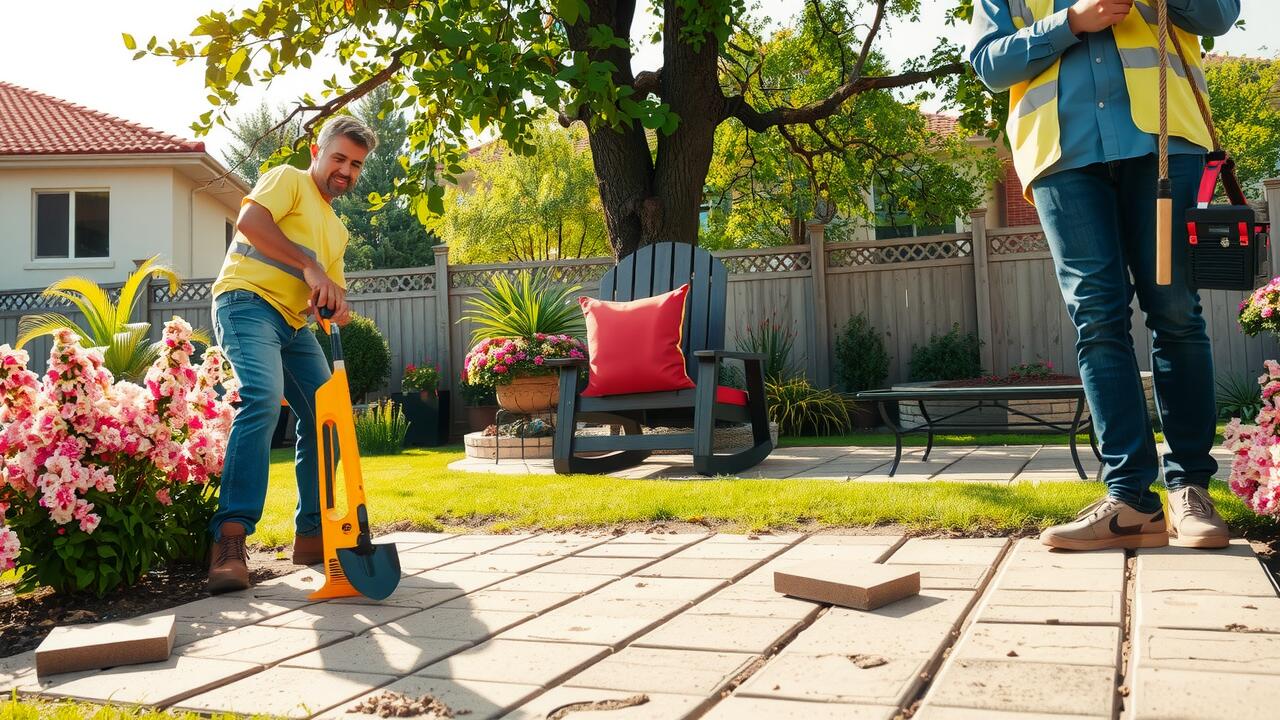
Enhancing your concrete slab not only improves aesthetics but also increases its functionality. One popular option is to incorporate decorative elements during the patio installation process. Techniques such as stamping or staining can transform an ordinary slab into a visually appealing outdoor space. These treatments can mimic the look of stone or brick, adding character while maintaining the durability of concrete.
Another way to enhance a concrete slab is through the addition of functional features. Consider integrating built-in seating or planters during patio installation. These additions not only maximize the use of space but also create a cohesive design. Strategic placement of outdoor lighting can further elevate the atmosphere, making the area usable and inviting after dark.
Surface Treatments
Surface treatments for concrete slabs can significantly enhance both aesthetics and durability. By applying various coatings or finishes, homeowners can customize the look of their concrete surfaces. Popular options include staining, sealing, and polishing. Staining adds rich colors that can mimic stone or create unique patterns. Sealing protects the slab from moisture and stains while offering a glossy or matte finish. Polished concrete provides a sleek, high-end appearance, making it popular for indoor spaces and outdoor areas alike, such as during patio installation.
Incorporating surface treatments during patio installation can also improve traction and reduce the risk of slips and falls. Textured finishes can create a non-slip surface, ideal for areas exposed to rain. Additionally, surface treatments can help prevent cracking and weathering over time. Homeowners should consider their specific needs and preferences when choosing a treatment, balancing aesthetics with functionality. Proper application and maintenance of the chosen finish will ensure the longevity of the concrete slab.
DIY vs. Hiring Professionals
Many homeowners consider a DIY approach for patio installation due to the potential cost savings. With proper research and planning, individuals can manage the project efficiently. Tasks such as measuring, pouring, and finishing the concrete can be tackled if one has the right tools and some basic construction knowledge. Additionally, the satisfaction of completing a project independently can be rewarding for many.
On the other hand, hiring professionals for patio installation guarantees a high level of expertise. Experienced contractors understand the nuances of mixing and pouring concrete, ensuring durability and proper drainage. They can navigate any unforeseen issues during the project, which may be challenging for inexperienced individuals. The investment in skilled labor often results in a polished finish and minimizes the risk of costly mistakes.
Pros and Cons of Each Option
Choosing to tackle a patio installation project yourself can be appealing due to potential cost savings. DIY enthusiasts often enjoy the satisfaction of creating something with their own hands. However, without the proper skills or experience, mistakes can lead to additional expenses and frustration, especially when ensuring the slab’s durability and levelness.
Hiring professionals for patio installation offers expertise and efficiency. Contractors possess the knowledge to navigate challenges that may arise during construction. Nonetheless, this option typically comes with a higher upfront cost. Homeowners must weigh the benefits of quality and time against the budget they have allocated for the project.
Permitting and Code Requirements
When planning for a 24×24 concrete slab, it’s essential to understand local permitting and code requirements. Many municipalities require permits for patio installation, especially if the slab is intended for a permanent structure. Before beginning your project, check with your local zoning board or building department. This step ensures compliance with local regulations that cover aspects like drainage, distance from property lines, and other safety considerations.
Understanding these regulations is crucial to avoid unexpected delays or fines. Each locality may have specific codes regarding the depth of the slab, reinforcement standards, and how the slab interacts with existing structures. Failing to adhere to these requirements can lead to significant problems down the line, including the necessity for costly modifications or the complete removal of the slab. Proper planning in line with local codes sets the foundation for a successful patio installation.
Understanding Local Regulations
Local regulations play an essential role in any patio installation project. Homeowners must be aware of zoning laws, building codes, and permits required for construction. These regulations can vary widely depending on the municipality. It’s important to check with local authorities to ensure compliance with all necessary guidelines.
Ignoring local regulations can lead to fines or complications down the road. In some cases, failure to obtain the required permits may result in the need to remove or modify the installed slab. Proper planning involves understanding and adhering to these rules to avoid potential issues. Being proactive about local regulations can save time and money in the long run.
FAQS
How much does a 24×24 concrete slab typically cost?
The cost for a 24×24 concrete slab can vary widely but typically ranges from $1,200 to $2,400, depending on factors like location, materials, and labor.
What factors can influence the price of a concrete slab?
Several factors can influence the price, including the thickness of the slab, surface treatments, local labor rates, and any additional features like reinforcement or excavation needed.
Can I save money by pouring the slab myself?
Yes, pouring the slab yourself can save money on labor costs, but it’s important to consider your skill level, tools required, and the amount of time it will take.
Are there any permits required for pouring a concrete slab?
Yes, many local jurisdictions require permits for pouring concrete slabs, especially for larger projects. It’s best to check with your local building department for specific requirements.
What surface treatments can enhance my concrete slab?
Surface treatments such as staining, sealing, or applying a decorative overlay can enhance the appearance and durability of your concrete slab, adding to the overall cost.
Related Links
Choosing the Right Material
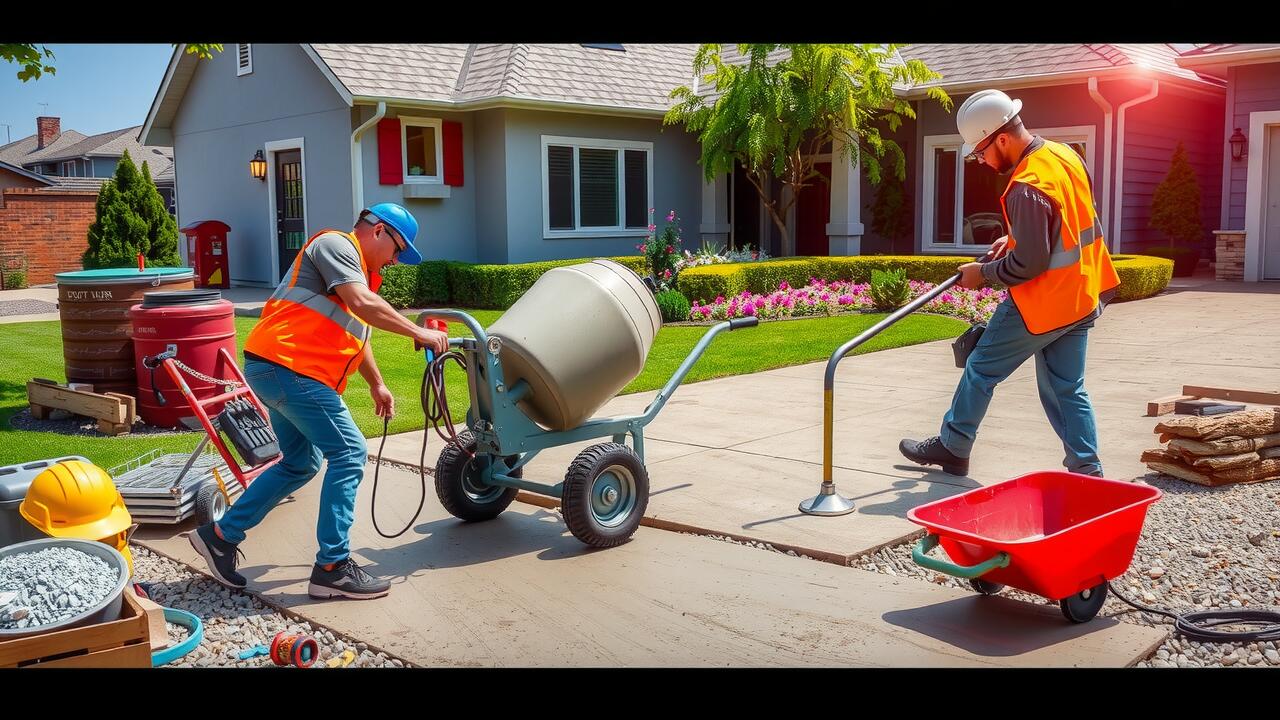
Choosing the right material for driveway installation is essential for achieving durability and aesthetic appeal. Various options are available, including concrete, asphalt, pavers, and gravel. Each material comes with its own set of characteristics that affect not only the appearance of the driveway but also its longevity and maintenance requirements. For example, concrete offers a sleek and modern look, while gravel may provide a more rustic charm.
Cost is another important factor when selecting a material for driveway installation. Prices can vary significantly based on the type chosen. Concrete and pavers generally have higher upfront costs compared to asphalt and gravel. However, considering factors such as lifespan, maintenance, and the potential need for repairs can help homeowners make a more informed decision. Understanding these differences before committing can lead to a more satisfying investment in your property.
Pros and Cons of Concrete
Concrete is a popular choice for driveway installation due to its durability and strength. It can withstand heavy loads, making it ideal for areas with frequent vehicle traffic. Additionally, concrete driveways require minimal maintenance, usually needing only periodic cleaning and resealing. The surface can be easily customized with various finishes and colors, enhancing curb appeal.
On the downside, concrete can be susceptible to cracking over time, especially in regions with extreme temperature fluctuations. Repairing cracks can be time-consuming and costly. Another drawback is that concrete tends to be less permeable, leading to potential drainage issues. This can be a concern in areas with heavy rainfall where water pooling may occur.
Environmental Impact and Options
Driveway installation can significantly impact the environment, primarily due to the materials used and the energy consumed during the process. Traditional concrete and asphalt driveways often involve the extraction of natural resources and the emission of greenhouse gases, contributing to environmental degradation. Additionally, the impervious nature of these materials can lead to stormwater runoff, which may contain pollutants that harm local ecosystems.
In response to these concerns, many homeowners are exploring eco-friendly alternatives for driveway installation. Options like permeable pavers allow water to infiltrate the surface, reducing runoff and promoting groundwater recharge. Other materials, such as recycled asphalt or crushed stone, can minimize environmental impact by utilizing previously discarded materials. These choices not only enhance sustainability but also offer diverse aesthetic options for homeowners looking to align their outdoor spaces with eco-conscious values.
Eco-Friendly Materials
Choosing eco-friendly materials for driveway installation can greatly reduce environmental impact. Options such as permeable pavers allow water to filter through, minimizing runoff and reducing the risk of flooding. These materials can be made from recycled products, further enhancing their sustainability. In addition to their functional benefits, permeable surfaces can enhance the aesthetic appeal of a property.
Another popular choice is stabilized decomposed granite, which provides a natural look while promoting water infiltration. This material is often made from recycled stone and does not require extensive processing, making it a more sustainable option. By selecting environmentally friendly materials, homeowners can contribute to conservation efforts while enhancing the aesthetics and functionality of their driveways.
Regional Price Variations
Regional pricing variations for driveway installation can significantly affect the overall cost of your project. Factors such as local labor rates, availability of materials, and regional demand all contribute to these differences. For instance, urban areas may experience higher prices due to increased demand and limited space, while rural locations might offer more competitive rates owing to lower labor costs and greater material availability.
In addition to geographical factors, regional climate can influence the choice of materials and, subsequently, their cost. Areas with harsh winters may require more durable options like concrete or asphalt, leading to higher installation fees. Conversely, warmer regions might favor alternative options, which can sometimes be more inexpensive but might not withstand extreme weather fluctuations as effectively. Understanding these regional differences is crucial for homeowners looking to budget for their driveway installation.
Geographic Considerations
Geographic location plays a significant role in the cost of driveway installation. Different regions often have varying labor rates and material availability, which can influence total expenses. For example, areas with a high demand for construction services may see increased labor costs compared to regions with lower demand. Additionally, local regulations and building codes can affect the types of materials that are permissible, leading to variations in pricing structures.
Climate can also impact the choice of material and overall costs associated with driveway installation. In regions that experience extreme weather conditions, such as heavy snowfall or intense heat, certain materials may perform better and prove more durable. The need for specific installations to combat shifting soil or drainage issues is more prevalent in some areas, which can result in additional labor and material costs. Being aware of these geographic factors can help homeowners make informed decisions regarding their driveway projects.
FAQS
How much does a 20×20 driveway typically cost?
The cost of a 20×20 driveway can vary significantly based on materials and installation, but on average, you can expect to pay between $1,200 to $3,500.
What factors influence the cost of a 20×20 driveway?
Several factors can influence the cost, including the type of material chosen, labor costs in your region, site preparation requirements, and any additional features like edging or drainage systems.
Are there cheap alternatives to traditional materials for driveways?
Yes, there are several economical alternatives such as gravel or asphalt, which can be less costly than concrete or brick, but may require more maintenance over time.
How does the choice of material affect the driveway’s lifespan?
Different materials have varying lifespans; for example, concrete can last 30 years or more with proper maintenance, while gravel may require more frequent upkeep and replacement every few years.
Is it worth investing in eco-friendly materials for my driveway?
While eco-friendly materials may have a higher upfront cost, they can provide long-term benefits such as reduced environmental impact, improved drainage, and potentially lower maintenance costs.
Related Links
Brick Patios
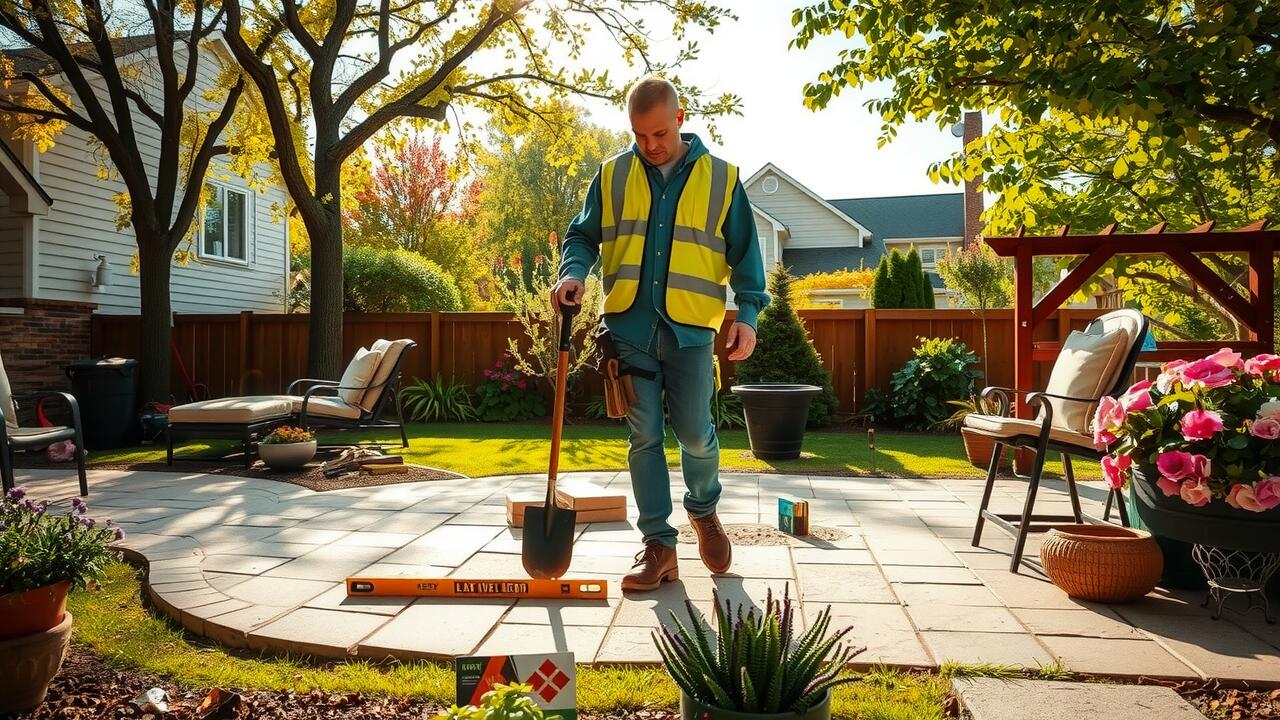
Brick patios are a popular choice among homeowners due to their timeless appeal and durability. The initial investment can vary, depending on the type of brick and the complexity of the design. A well-installed brick patio can enhance the aesthetic appeal of any outdoor space while providing a sturdy surface for gatherings and relaxation. However, it is essential to consider the long-term maintenance costs associated with brick, such as potential repairs and the need for periodic sealing.
When evaluating patio installation options, it’s important to factor in both the labor and material costs. Professional installation may increase the upfront expense, but it can also ensure a more precise and durable finish. For those who choose a DIY approach, understanding the proper techniques for laying bricks is vital to achieving a stable patio. The investment in tools and materials can be balanced against the money saved on labor.
Analyzing Long-Term Affordability
When considering patio installation, it’s essential to evaluate the long-term costs associated with different materials. Brick patios may have a higher initial cost, but their durability often results in lower maintenance expenses over time. Unlike other options that might deteriorate or require frequent replacement, brick can withstand weathering and heavy foot traffic. This means homeowners might save money in the long run by opting for bricks, even if the upfront investment is greater.
On the other hand, patio tiles come in various price ranges, with some options being quite affordable. However, the longevity of these tiles can vary significantly. Cheaper tile options might degrade faster, leading to more frequent repairs or replacements. Analyzing the overall affordability of patio installation should take into account not only the initial expenses but also the potential for long-term maintenance and replacement costs of the chosen material. Evaluating these factors can help in making a financially sound decision.
Patio Tiles
Patio tiles offer a versatile option when considering materials for outdoor spaces. They come in various styles, colors, and textures, making it easy to customize a patio to match personal preferences and existing landscapes. The cost of patio tiles can vary significantly based on the type chosen, with options ranging from ceramic and porcelain to natural stone. Each material has its own price point, which can impact the overall budget for patio installation.
Durability is a critical factor in choosing tile materials for outdoor use. Porcelain tiles tend to be more resistant to moisture and temperature fluctuations, making them a popular choice for patios. While some tiles may require more maintenance or are prone to cracking, others can withstand the elements with minimal upkeep. Assessing the long-term viability and ongoing costs associated with tile options can help in making an informed decision about patio installation.
Cost and Durability of Tile Options
Tile options for patio installation come in various materials, including ceramic, porcelain, and natural stone. Each type offers a unique blend of appearance and functionality. Ceramic tiles are often the most affordable, making them a popular choice for budget-conscious homeowners. Porcelain tiles, while typically more expensive, are known for their superior durability and resistance to moisture. Natural stone tiles, such as slate or granite, provide a luxurious look but can significantly increase the overall cost of installation.
Durability is a crucial consideration when selecting tiles for a patio. Ceramic tiles, although cost-effective, may chip or crack under heavy impacts. Porcelain tiles excel in handling outdoor conditions due to their low porosity and strength, ensuring they remain intact over time. Natural stone tiles offer exceptional longevity and aesthetic appeal, but they require regular sealing to protect against stains and weathering. Weighing these factors can help homeowners make informed decisions regarding their patio installation.
DIY vs Professional Installation
Choosing between DIY and professional patio installation can significantly impact both the cost and the outcome of the project. Many homeowners opt for the DIY route to save money and engage in a hands-on experience. However, this approach requires careful planning and a solid understanding of the materials and techniques involved. Those with prior experience in similar projects may find it rewarding. Others, lacking the necessary skills or time, might risk making costly mistakes.
On the other hand, hiring professionals can ensure a higher level of craftsmanship and reliability. Experienced contractors are familiar with the various aspects of patio installation, from material selection to proper drainage techniques. This investment often brings peace of mind, knowing that the job is done correctly and efficiently. While the upfront costs may be higher, the long-term benefits of a professionally installed patio can outweigh the initial expenditure for many homeowners.
Evaluating Your Skills and Budget
When considering patio installation, it’s essential to assess your skill level and available resources. Some homeowners may feel confident in their ability to tackle a DIY project, while others might prefer to leave the task to professionals. Evaluating past experiences with similar projects can provide insight into potential challenges. Factors like the complexity of the patio design and the time you can dedicate to the installation will influence this decision.
Budget is another critical factor when planning a patio installation. DIY projects may save on labor costs but can lead to unexpected expenses if mistakes occur. On the other hand, hiring professionals guarantees a certain level of expertise, which could result in fewer long-term issues. Considering both the immediate and future costs will help ensure that your chosen approach fits your financial situation.
FAQS
What is the cheapest type of patio to install?
The cheapest type of patio to install typically includes materials such as gravel or concrete, as they require less labor and are often less expensive than more elaborate options like brick or stone.
How do brick patios compare to other materials in terms of cost?
Brick patios can be more expensive due to the cost of materials and labor. However, they can be more durable and aesthetically pleasing, possibly offering better long-term value.
Are patio tiles a cost-effective option for a new patio?
Patio tiles can be cost-effective depending on the type of tile selected. While some options can be pricey, there are affordable tile choices that offer a good balance between cost and durability.
Should I consider DIY installation to save money on my patio?
Yes, DIY installation can significantly reduce costs, but it requires the right skills and tools. If you are confident in your abilities and have the time, it can be a great way to save money.
What factors should I consider when choosing the cheapest patio option?
Consider the initial material costs, the long-term durability, maintenance requirements, installation expenses (DIY vs. professional), and whether the patio will meet your aesthetic and functional needs.
Related Links
Cost Comparison with Other Patio Types
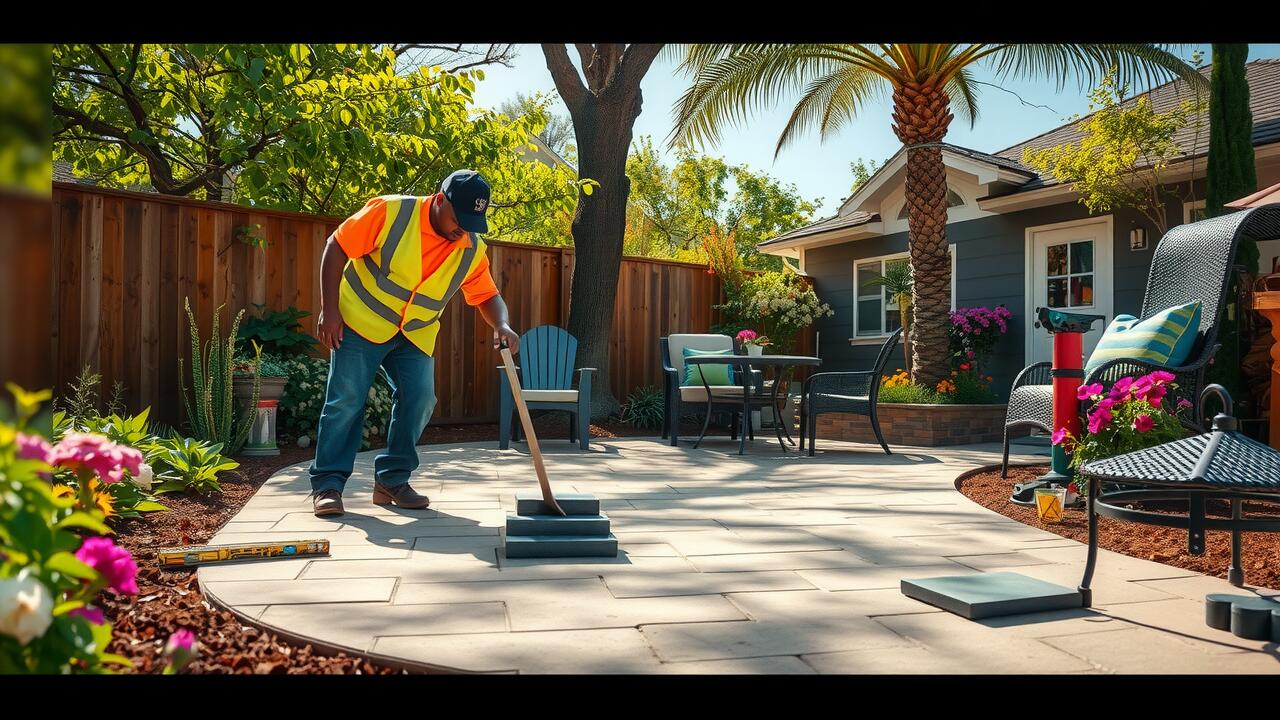
When considering a 20×20 patio installation, it’s essential to evaluate the cost differences among various materials. Concrete is typically the most affordable option, making it a popular choice for homeowners. In contrast, stone and paver patios can significantly increase the overall cost. These materials offer unique aesthetic benefits but often come with higher installation and maintenance expenses.
Composite materials present a middle ground in pricing. While they may cost more than concrete initially, their long-term durability and low maintenance requirements can lead to savings over time. Assessing the initial expenditure alongside the potential upkeep costs is crucial when determining the best patio option for your outdoor space.
Stone, Pavers, and Composite
When considering the various materials for patio installation, stone, pavers, and composite options each come with distinct characteristics. Stone provides a natural aesthetic and long-lasting durability. However, the cost can be significantly higher due to the material itself and the labor involved in installation. Pavers offer versatility in design and layout, along with a wide range of colors. The installation process is typically simpler than stone, which can help keep costs lower. Composite materials are gaining popularity for their lightweight structure and resistance to rot and fading, though they may require replacements sooner than traditional materials.
Each option has its pros and cons in terms of maintenance and appearance. Stone patios may require sealing to maintain their integrity over time. Pavers can shift or settle, making regular maintenance a necessity. Composite materials, while low-maintenance, might lack the classic look that stone or pavers provide. Evaluating the aesthetics, durability, and upkeep of each material is essential when planning your patio installation. Understanding these factors can ultimately influence your budget and satisfaction with the finished product.
DIY vs. Professional Installation
Many homeowners consider DIY approaches for patio installation as a way to save on labor costs. Taking on this project can be rewarding for those with sufficient skills and tools. Basic concrete pouring can be manageable with proper preparation and research. However, unforeseen challenges can arise, such as difficulty in leveling or curing the concrete. These missteps can lead to costly repairs or a less-than-desirable final look.
Hiring professionals for patio installation may entail higher initial costs but offers several advantages. Experienced contractors possess the expertise to ensure the concrete is mixed, poured, and finished correctly. Their knowledge can prevent issues that inexperienced DIYers might face, resulting in a smoother and more durable surface. For those who want a perfectly finished patio without the hassle, relying on skilled professionals can provide peace of mind.
Pros and Cons of Each Approach
When considering DIY patio installation, one significant advantage is cost savings. Homeowners can avoid labor expenses by taking on the project themselves. This approach also allows for greater control over the timeline and design choices. However, it requires a considerable amount of physical labor and may demand skills in various areas such as concrete mixing and finishing techniques. If mistakes occur during the process, they can lead to additional costs and extended project timelines.
On the other hand, hiring professionals for patio installation offers expertise and experience that can ensure a high-quality finished product. Professionals are familiar with local codes, can efficiently manage materials, and usually provide warranties on their work. Despite these benefits, the cost can be substantially higher than a DIY approach. Homeowners must also consider the scheduling flexibility, as professional contractors may have limited availability, which could delay the start of the project.
Seasonal Pricing Variations
The cost of patio installation can vary significantly based on seasonal demand. Many homeowners schedule their projects during the warmer months, leading to increased demand for materials and labor. This heightened demand often results in higher prices for concrete, labor, and equipment rentals. Contractors may charge more during peak season, which is typically late spring through early fall, as they seek to capitalize on the influx of customers looking to complete outdoor projects.
Conversely, winter months often see a decline in patio installation projects. With colder temperatures and the potential for inclement weather, many contractors reduce their rates to attract clients. Homeowners may find that scheduling a patio installation during the off-season can save them money, provided they are willing to navigate the challenges posed by colder weather. This seasonal pricing fluctuation can significantly impact the overall budget for a patio project.
Best Times to Pour Concrete
Timing is crucial when planning a patio installation to ensure the best results. Late spring and early fall are often considered ideal for pouring concrete. During these seasons, temperatures are more moderate, minimizing the risk of rapid drying or freezing, which can negatively affect the curing process. Additionally, these times typically see less rainfall, reducing the likelihood of weather-related delays.
Summer may seem like a suitable option due to longer days, but high temperatures can lead to quick evaporation of water, risking cracks in the concrete. Winter, on the other hand, presents challenges with cold temperatures and frost. It is essential to choose the right time of year to achieve a durable and aesthetically pleasing patio installation that aligns with your overall landscape design.
FAQS
What is the average cost to pour a 20×20 concrete patio?
The average cost to pour a 20×20 concrete patio typically ranges from $2,000 to $4,000, depending on factors like location, labor costs, and the complexity of the design.
How does the cost of a concrete patio compare to stone or paver patios?
Generally, concrete patios are more affordable than stone or paver patios. Stone patios can cost significantly more due to material and installation complexities, while paver patios may be comparable in price but often require more maintenance.
Can I save money by installing the patio myself?
Yes, opting for a DIY installation can save you money on labor costs. However, it is important to consider your skill level and the necessary equipment, as mistakes can lead to additional expenses.
What are the pros and cons of hiring a professional for patio installation?
Hiring a professional can ensure a high-quality and durable finish, but it comes with a higher cost. On the other hand, DIY installation allows for savings but may result in a less polished look if not done correctly.
Are there seasonal variations that can affect patio pouring costs?
Yes, costs can vary seasonally. For example, prices may be lower in the winter months when demand decreases, while spring and summer are peak seasons, leading to higher prices due to increased demand.
Related Links
Regional Variations in Patio Installation Costs
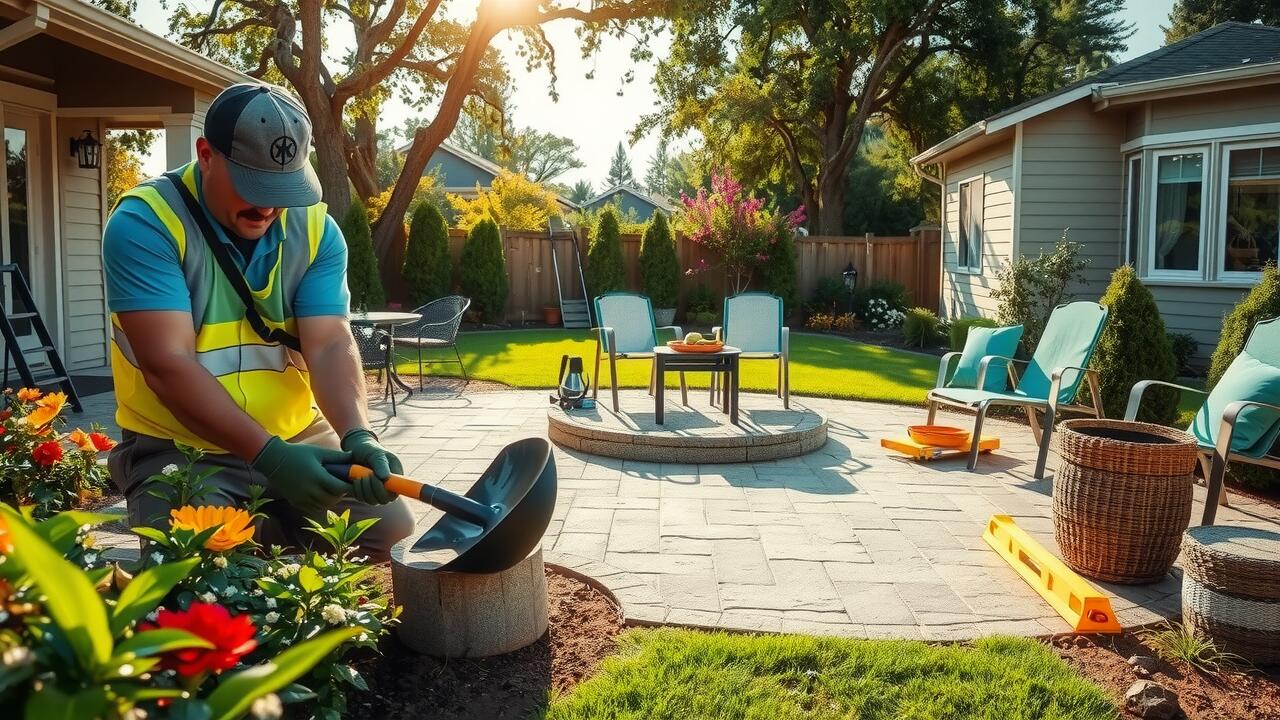
Patio installation costs can vary significantly across different regions in the United States. Urban areas often experience higher labor and material prices due to demand and higher living costs. In cities like New York and San Francisco, homeowners might pay a premium for installation compared to those in smaller towns or rural areas. Factors such as regional climate and available local materials can also influence pricing, with some regions benefiting from natural stone or brick that may not be readily available elsewhere.
Conversely, rural locations typically boast lower costs for patio installation, reflecting less competition and a more affordable workforce. Homeowners in these areas might find better rates on materials as well, particularly if they can source local options. While this can lead to overall lower project costs, homeowners should still consider the proximity of skilled contractors, as this can impact both pricing and the quality of the installation.
Urban vs. Rural Pricing
When considering patio installation, location plays a significant role in determining overall costs. Urban areas often face higher labor and material expenses due to increased demand and limited space. Contractors in cities typically charge more for their services to cover overhead costs associated with running a business in a densely populated environment. Supplies may also be more expensive in urban centers, where access to construction materials can be more challenging.
In contrast, rural regions usually experience lower patio installation costs. The availability of open land often results in decreased competition among contractors, leading to more favorable pricing for homeowners. Labor costs tend to be lower in these areas, as workers may not demand the same wages as their urban counterparts. Additionally, transportation costs for materials can be less burdensome when contractors source supplies locally, contributing to overall savings on the installation.
Seasonal Trends in Patio Installation Pricing
Patio installation pricing is significantly influenced by seasonal trends. Demand for outdoor projects often peaks in spring and summer months as homeowners seek to enhance their outdoor living spaces. This surge in demand generally leads to higher costs for materials and labor. Availability of contractors can also become limited during these busy seasons, potentially increasing prices further.
In contrast, fall and winter months typically see a decline in patio installation projects. Landscapers and contractors often lower their rates to attract clients during these off-peak seasons. Homeowners willing to brave cooler weather may benefit from lower installation costs and greater availability of skilled labor. Planning patio installation during these quieter months can result in significant savings, along with the opportunity to avoid the summer rush.
Best Times to Install a Patio
Timing plays a crucial role in patio installation. The early spring months, from March to May, are often considered ideal for laying patios. Homeowners can take advantage of milder weather conditions, which not only make the work easier for contractors but also ensure that materials settle properly. Fall, particularly September through November, is another favorable window, as the humidity levels drop and the temperatures cool down.
Choosing the right season can also influence the overall cost of patio installation. Demand for landscaping and outdoor projects tends to peak during warmer months, potentially leading to higher labor and material costs. Conversely, scheduling the installation during the shoulder seasons may yield better prices, as contractors often have greater availability and are more inclined to offer lower rates to secure work during less busy times.
Long-term Maintenance Costs of Patios
Maintaining a patio involves various long-term costs that can impact the overall investment. Regular cleaning is essential to prevent the buildup of dirt, algae, and other debris. Depending on the materials used in the patio installation, certain cleaners or tools may be necessary, resulting in additional expenses. Over time, weather conditions can lead to wear and tear, necessitating periodic resealing or repairing of pavers, which can also add to maintenance costs.
In addition to cleaning and repair needs, potential homeowners should consider the implications of seasonal weather changes on their patio. Harsh winters can cause cracking in materials like concrete or stone, while extreme heat can lead to fading or shifting. Investing in quality materials during the patio installation can reduce long-term maintenance expenses, but some cost will always remain for upkeep. Regular inspections and timely repairs will extend the life of the patio, ensuring it remains a valuable outdoor space.
Cleaning and Repair Needs
Proper maintenance is essential for the longevity and appearance of a patio after installation. Regular cleaning helps prevent the buildup of dirt, moss, and algae, which can lead to slippery surfaces and staining. Pressure washing is often recommended to remove stubborn grime, but care must be taken not to damage the materials. Additionally, sealing the patio can protect against weather-related wear while enhancing its look.
Repair needs may arise over time, especially in regions with extreme weather conditions. Cracks and chips can occur due to shifting ground or heavy use. It is crucial to address these issues promptly to prevent further damage and maintain safety. Regular inspections after patio installation can help identify potential problems early on, saving homeowners from expensive repairs later.
FAQS
What is the average cost to lay a patio?
The average cost to lay a patio typically ranges from $8 to $20 per square foot, depending on materials and labor.
How do regional variations affect patio installation costs?
Regional variations can significantly impact patio installation costs due to differences in labor rates, material availability, and local demand.
What are the best times of year to install a patio?
The best times to install a patio are usually in the spring and fall when weather conditions are more favorable, and contractors are less busy.
What long-term maintenance costs should I expect for my patio?
Long-term maintenance costs for patios can vary, but you should budget for regular cleaning, sealing, and occasional repairs, which can total $100 to $500 annually.
Do urban areas have higher patio installation costs compared to rural areas?
Yes, urban areas often have higher patio installation costs due to increased labor rates and possibly higher material costs, whereas rural areas may offer more competitive pricing.